Winter Concrete 101: How Low Temperatures Affect Setting and Curing of Ready Mix
Cold weather brings unique challenges to any concrete project. Whether you are working on a driveway, foundation, slab, or commercial project, winter temperatures can slow down the setting process, weaken the finished product, and increase the risk of damage before the concrete fully cures. Understanding how low temperatures affect ready mix concrete helps builders, contractors, and homeowners plan correctly and maintain quality year round.
Here is a clear guide to what actually happens when concrete is poured in winter and how to avoid the most common cold weather issues.
How Cold Weather Impacts Concrete Setting
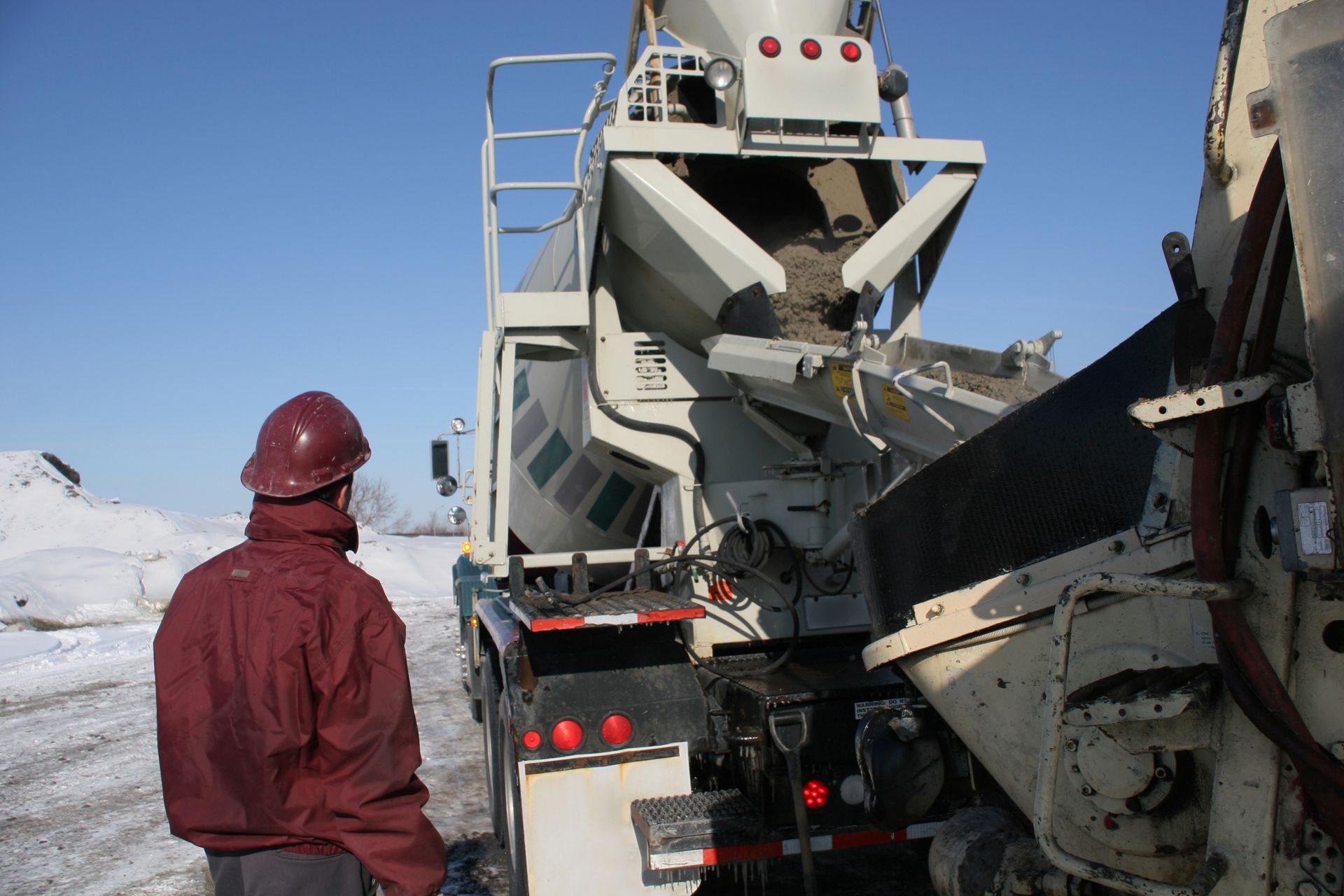
Concrete sets through a chemical reaction called hydration. Hydration generates heat and allows the concrete to harden. When temperatures drop, hydration slows down significantly.
Slower Setting Time
At temperatures below 50 degrees, concrete sets much more slowly. At or below freezing, the reaction can stop completely.
Increased Risk of Weak Concrete
If concrete freezes before it reaches enough strength, the water inside can expand. This causes cracking, scaling, or permanent structural weakness.
Delayed Finishing
Cold weather extends the time it takes to begin finishing work. Crews must monitor the mix longer and wait for the right window to apply finishing tools.
How Low Temperatures Affect the Curing Process
Curing allows concrete to gain strength slowly over time. Cold weather can slow this down or interrupt it entirely.
Slower Strength Gain
Concrete poured in winter can take days longer to reach the same strength it would achieve in warm weather.
Higher Moisture Loss
Cold, dry air can pull moisture from the surface too quickly, causing uneven curing or surface cracking.
Freeze-Thaw Damage
Fresh concrete is vulnerable to freeze-thaw cycles. If moisture near the surface freezes and expands, it weakens the top layer.
The Ideal Temperature Range for Winter Concrete Work
For concrete to perform well, both the air temperature and concrete temperature should stay in the right range.
- Best concrete temperature: 55 to 70 degrees
- Minimum placement temperature: around 50 degrees
- Avoid pouring when temps will fall below 32 degrees within the first 24 to 48 hours
Professional ready mix suppliers use additives and heated materials to keep concrete within the safe range for cold weather placement.
How Contractors Protect Concrete in Winter
Winter concrete work is entirely possible when the right steps are taken. Most ready mix suppliers and contractors follow key cold weather guidelines.
Use Accelerators
Chemical accelerators speed up the hydration process so concrete sets faster in low temperatures.
Heat the Materials
Water and aggregates may be warmed before mixing to help keep concrete at a safe temperature during placement.
Use Air Entrained Concrete
Air entrainment improves freeze-thaw resistance and helps prevent surface scaling.
Insulate Fresh Concrete
Contractors often cover the slab with blankets, tarps, or insulated curing mats to retain heat and prevent freezing.
Monitor Weather and Plan Ahead
Crews must pay close attention to temperature changes, especially overnight.
Why Partnering With a Trusted Ready Mix Supplier Matters
Cold weather concrete requires experience, the right mix design, and proper handling. A knowledgeable ready mix supplier can recommend:
- The best mix for low temperatures
- Appropriate additives
- Proper slump and water content
- Delivery timing that fits the weather window
This helps ensure the concrete reaches proper strength and holds up for decades.
Final Thoughts
Winter concrete work demands careful planning, the right mix, and proper protection, but it is absolutely manageable with expert guidance. Low temperatures can slow curing, cause surface damage, and weaken concrete if it is not handled correctly. With the right methods and support from a reliable ready mix supplier, your project can stay on schedule without sacrificing quality.
For cold weather concrete guidance, mix recommendations, or winter project planning, Orgain Ready Mix is here to help. Contact us today to get started.